


The Complete Guide to Smart Home Security in Canada (2026 Edition)
Security is no longer just a luxury, it is a necessity for the modern Canadian home. In 2026, the landscape of home protection has shifted from simple "burglar alarms" to proactive, AI-driven ecosystems. Whether you live in a high-rise in Toronto or a detached home in Calgary, your security needs to be as resilient as our climate.
This guide explores everything you need to know about integrating alarms, cameras, and smart automation to build an unbreakable shield around your property.
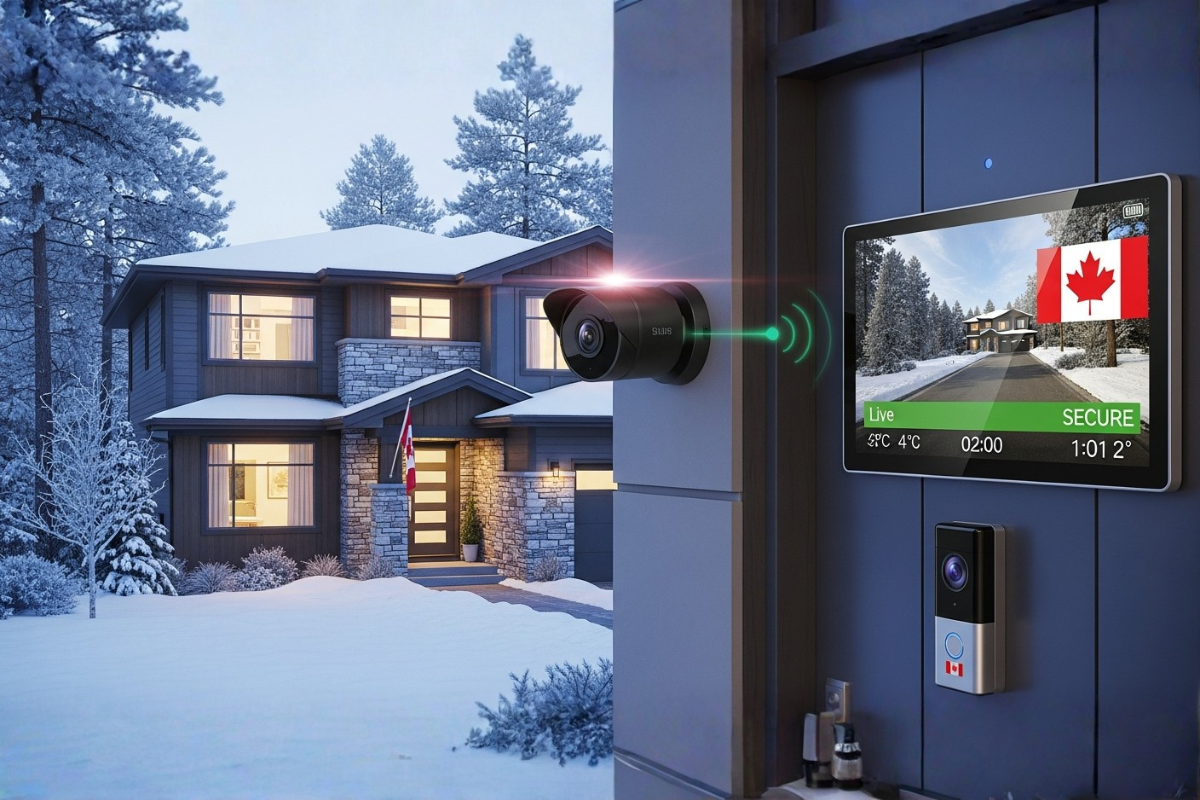
1. The Brain: Modern Alarm Systems & Intrusion Detection
A reliable security system starts with the Alarm Hub. This is the brain that coordinates every sensor in your home.
2026 Hardware Essentials
- Door/Window Sensors: Magnetic contacts that trigger the moment a perimeter is breached.
- Motion Detectors (PIR): Sensors that detect body heat. Modern 2026 versions now ignore pets up to 80 lbs.
- Glass Break Sensors: Tuned to the frequency of breaking glass, providing an extra layer of protection for large patio doors.
The Monitoring Debate
For true protection, your system should be connected to a ULC-Certified Central Station. In Canada, many police departments now require "Verified Alarm Response." This means they may not dispatch officers unless a professional monitor confirms the threat via audio or video.
| Monitoring Type | Response Speed | Monthly Cost (Est.) | Best For |
|---|---|---|---|
| Self-Monitored | App Alert Only | $0 - $15 | Renters / Low-risk areas |
| Professional (ULC) | Immediate Dispatch | $35 - $60 | Homeowners / Insurance discounts |
2. The Eyes: Advanced Video Surveillance (CCTV & AI)
In 2026, cameras do more than just record; they think. AI analytics can now distinguish between a delivery driver, a stray animal, and a potential intruder.
Resolution & Storage
- 4K Resolution: The current gold standard. It allows you to zoom in on license plates or faces with crystal clarity.
- Local Storage (NVR): High-capacity hard drives keep your data private and avoid monthly cloud fees.
- Cloud Backup: Ensures your footage is safe even if the physical recorder is stolen.
Proactive Deterrence
The best cameras today are Active Deterrence models. They feature built-in sirens and strobe lights that activate the moment an intruder enters a restricted zone stopping the crime before it happens.
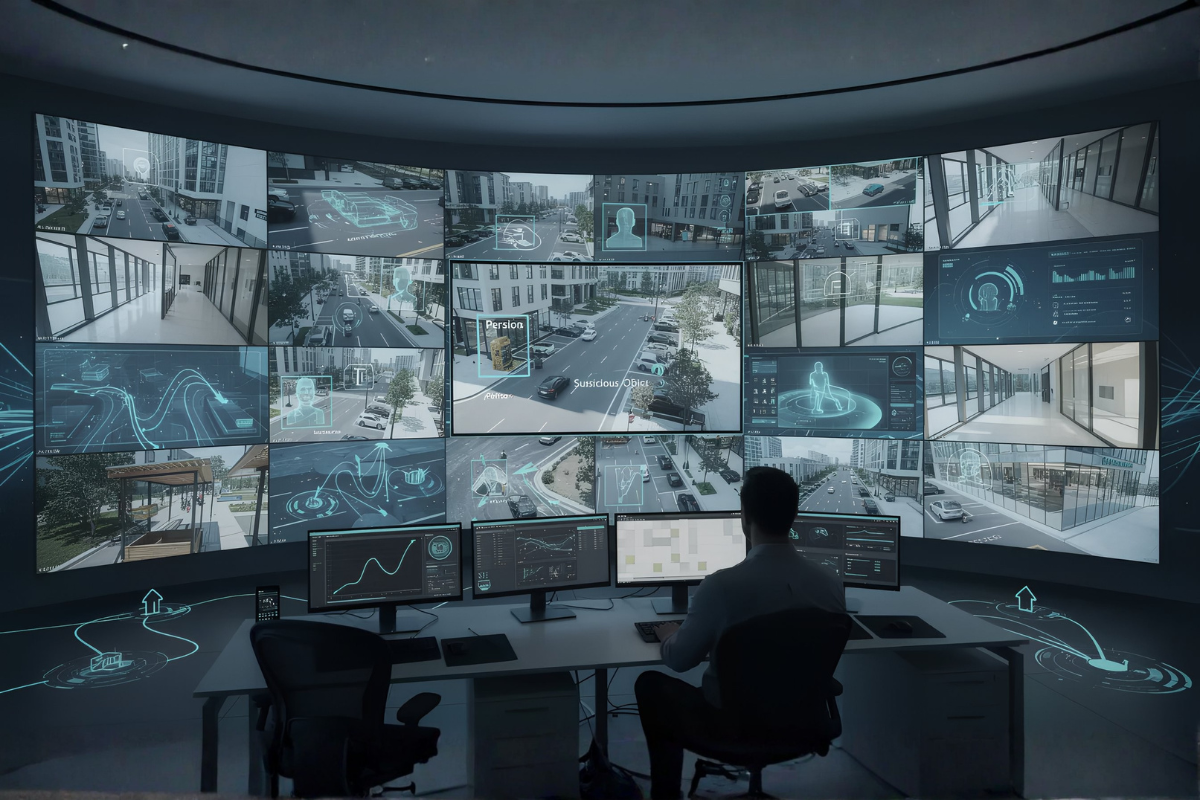
3. Installation Methods: Step-by-Step
How you install your system determines its longevity through the Canadian seasons.
Security Camera Methods
Camera Installation Options
- PoE (Power over Ethernet): One cable provides both power and internet. It is the most stable and secure method.
- Wireless (Plug-in): Cameras connect to Wi-Fi but still need a power outlet.
- Battery/Solar: Easiest to install but requires frequent charging during dark Canadian winters.
Alarm Installation
Most 2026 systems use PowerG Technology. This is an encrypted wireless frequency that can travel through thick Canadian walls and has a range of up to 2km, making it as reliable as a hardwired system without the messy drilling.
4. The Canadian Factor: Weather & Legal Compliance
Canada presents unique challenges for security hardware.
Extreme Weather Engineering
Standard electronics fail when the temperature hits -20°C. For your system to survive a "Polar Vortex," ensure your outdoor equipment is IP67-rated and specifically tested for -40°C performance.
Privacy & PIPEDA
Under Canadian privacy laws (PIPEDA), you have the right to protect your property, but you must respect your neighbours' privacy.
Legal Requirements
- Camera Angles: Ensure your lenses are not pointed directly into a neighbour's windows.
- Signage: In many provinces, you are legally required to post a small sign notifying visitors that video surveillance is in progress.

5. Cost Analysis: 2026 Canadian Market Estimates
Investing in security can actually save you money. Most Canadian insurance providers offer a 5% to 15% discount on premiums for homes with ULC-monitored systems.
| Component | Average Equipment Cost (CAD) | Professional Install Fee |
|---|---|---|
| Starter Alarm Kit | $350 – $600 | $150 – $250 |
| 4K PoE Camera (Each) | $150 – $300 | $100 – $200 |
| Smart Door Lock | $200 – $450 | $75 – $150 |
| Video Doorbell | $250 – $400 | $50 – $100 |
6. Integration: The Matter Standard
The future of security is interoperability. Most systems now support the Matter and Thread protocols. This allows your alarm system to talk to your smart lights and thermostats. If your smoke detector goes off, your smart home can automatically unlock the front door and turn on all interior lights to help you escape safely.

Conclusion
A home security system is an investment in your peace of mind. While DIY kits offer a low entry point, professional installation by Alarm Dealer ensures that your system is winter-proofed, legally compliant, and optimized for 24/7 protection.
Would you like a custom security blueprint for your home? Contact us today for a free professional quote and discover how we can protect what matters most to you.